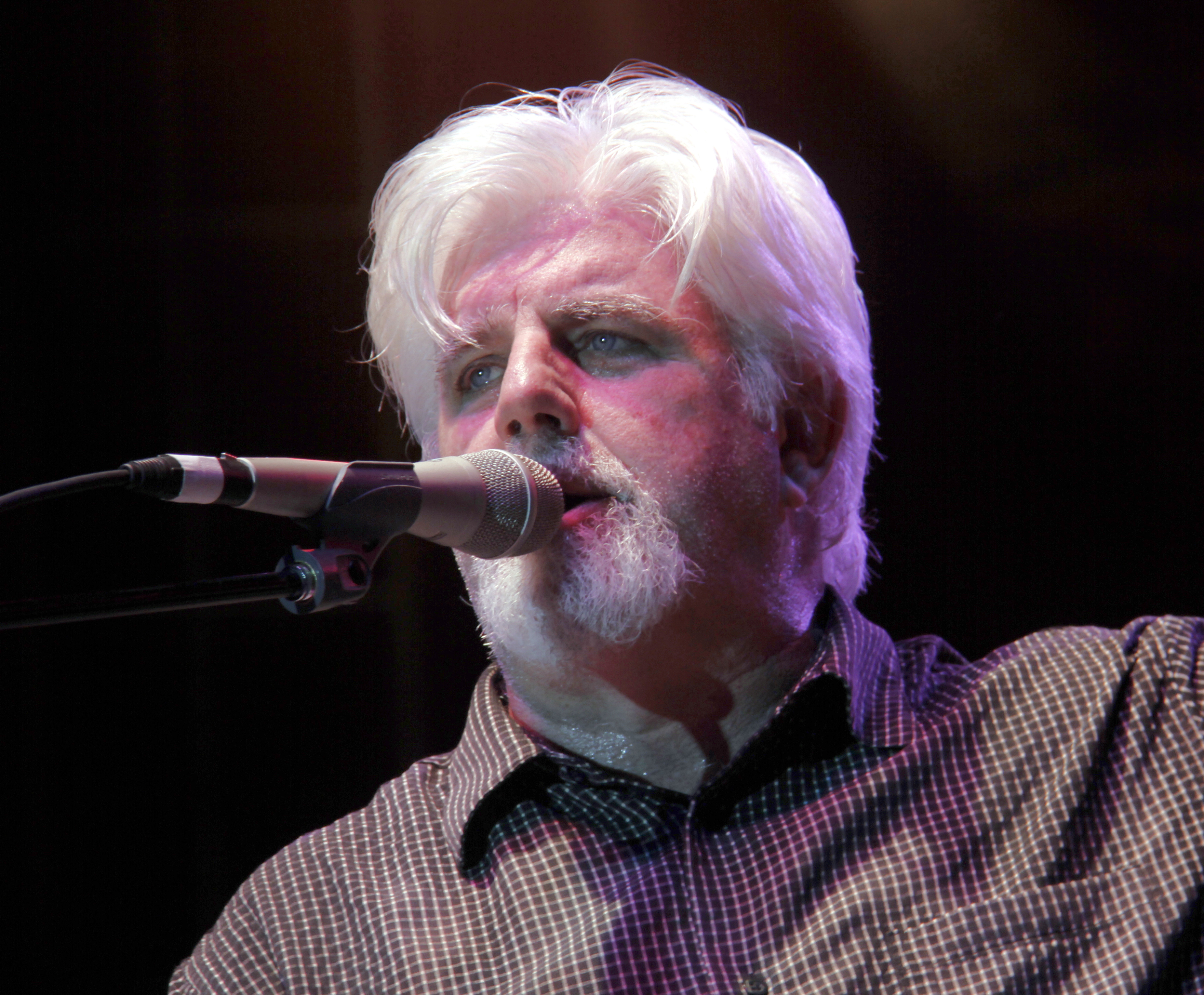
Biography
Michael McDonald, born on February 12, 1952, in St. Louis, Missouri, is an iconic American singer, songwriter, and record producer. He first began his musical career in the early 1970s, finding initial success as a member of the acclaimed rock band Steely Dan, where his distinctive voice and keyboard skills quickly caught the attention of music lovers and industry insiders alike. McDonald's unique blend of soul and pop, paired with his emotionally resonant lyrics, set him apart in the music scene of the time, paving the way for a career that would span decades and genres. A significant milestone in McDonald's career came when he joined The Doobie Brothers in 1975, where he played an integral role in reshaping the band's sound by introducing elements of R&B and gospel. His tenure with The Doobie Brothers produced memorable hits such as "Takin' It to the Streets" and "What a Fool Believes," showcasing his songwriting prowess and deft vocal delivery. Following his work with The Doobie Brothers, he collaborated with various renowned artists and projects like Artists United for Nature and The Dukes of September, further establishing his versatility and appeal across different musical landscapes. Musically, McDonald is known for his smooth tenor voice, enriched by a robust musicality that draws from sources as diverse as jazz, R&B, and rock. His innovative approach to music is reflected in his use of sophisticated harmonies and arrangements, which have inspired countless artists. In terms of gear, McDonald is often associated with the 1983 Yamaha CP-70 Electric Grand Piano, known for its rich tone and portability, and the 1968 Fender Rhodes Piano Bass, which adds a distinct sound to his music. He complements these with classic gear such as the 1973 Fender Telecaster and a range of Roland synthesizers, allowing him to create his signature blend of sounds. Michael McDonald's legacy is one of profound influence, having left an indelible mark on the genres of rock, pop, and R&B. His remarkable ability to blend different musical styles has enabled him to maintain relevance in the ever-changing landscape of the music industry. Today, he continues to tour and create music, ensuring that his contributions to music remain vital and impactful, appealing to both long-time fans and new generations alike.
Roles
Vocals, Keyboards, Songwriter
Band History
Artists United for Nature, Steely Dan, The Dukes of September, The Doobie Brothers
Signature Gear
Guitars: 1968 Fender Telecaster
Amps: Fender Twin Reverb
Basses: 1968 Fender Rhodes Piano Bass
Microphones: Shure SM58
Cabinets: Marshall 1960AV 4x12 Cabinet
Strings: Ernie Ball 10-46 Super Slinky
Picks: Dunlop Tortex .73mm
Keys: 1983 Yamaha CP-70 Electric Grand Piano
Electronic: Roland Juno-106
Bandmates & Collaborators
Brian May, Walter Becker, Donald Fagen, Tom Johnston, Patrick Simmons, Bill Payne, Jeff “Skunk” Baxter, Cornelius Bumpus