Biography
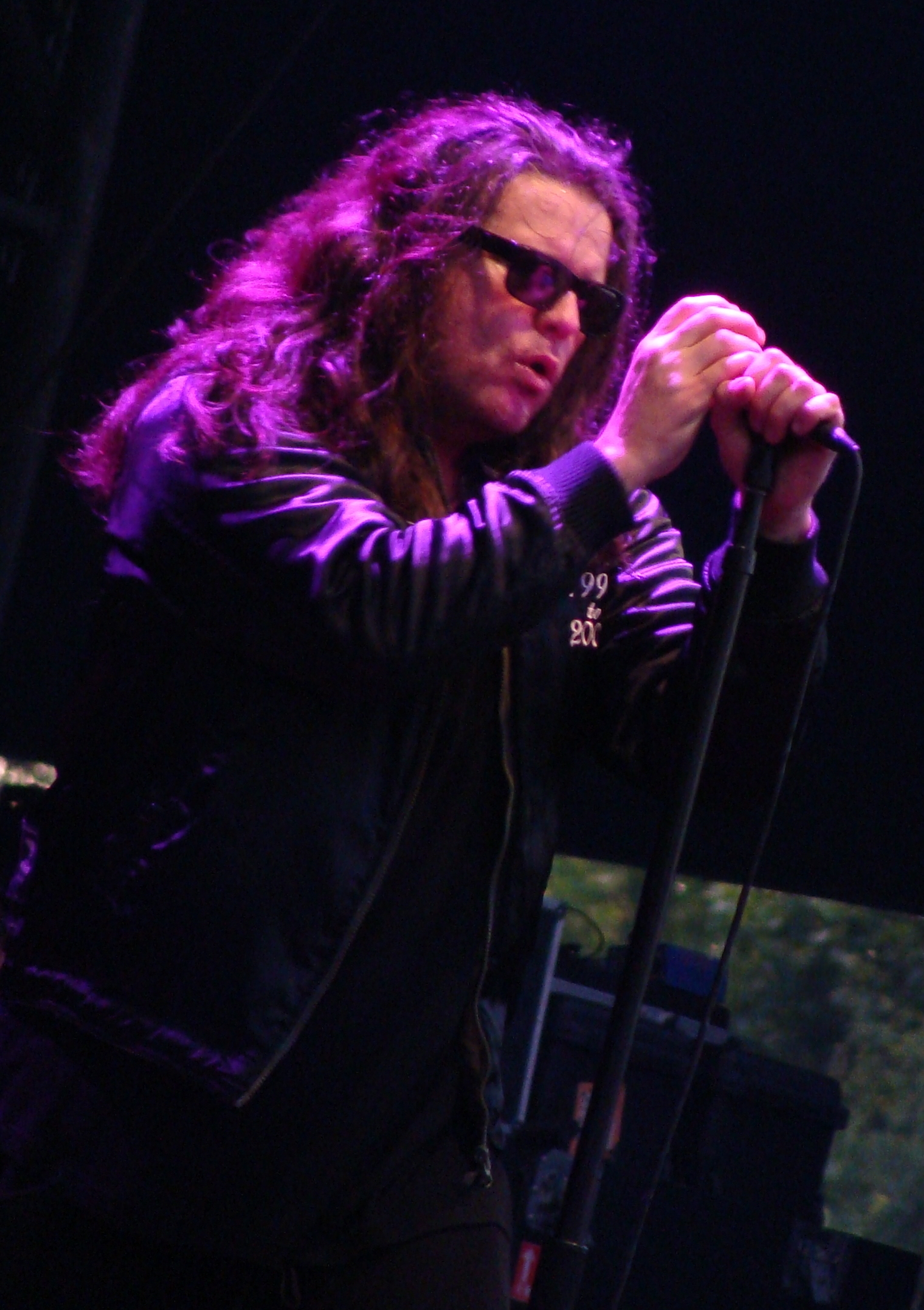
Ian Astbury emerged from the early 1980s British post-punk scene, forming The Southern Death Cult in 1981 and guiding the group through its transition into Death Cult and, ultimately, The Cult. His stage presence—intense, ritualistic, and theatrically charged—matched a voice that fused Jim Morrison’s baritone mystique with a punk-forward edge. Drawing on a wide range of influences—from psychedelic rock and blues to the Dadaesque energy of the era—Astbury helped craft a sound that was at once moody and propulsive. The Cult’s evolution in England set the template for a band that would bridge goth-tinged ambience with arena-ready rock, anchoring Astbury as a defining frontman of the era. Major band career and achievements: With Billy Duffy’s incisive guitar, The Cult rose to international fame through a sequence of influential records. Dreamtime (1984) and Love (1985) yielded enduring tracks such as She Sells Sanctuary and Rain and framed the group as one of the era’s most promising guitar bands. Electric (1987) and Sonic Temple (1989) cemented their commercial breakthrough, blending heavy riffs with sweeping melodies and propulsive hooks that fueled worldwide tours. Ceremony (1992) and the self-titled The Cult (1994) showed a willingness to reimagine their sound for new audiences. In parallel, Astbury joined The Doors of the 21st Century (2002–2003), alongside Ray Manzarek and Robby Krieger, performing Doors classics and creating a cross-generational bridge. More recently, The Cult has released Choice of Weapon (2012), Hidden City (2016), and Under the Midnight Sun (2022). Musical style and contributions: Astbury’s voice carries a distinctive blend of volcanic energy, ceremonial cadence, and bluesy grit. His lyrics fuse myth, rebellion, and mysticism, weaving imagery drawn from desert landscapes and Western literature. The result is a signature sound that aligns with The Cult’s textured guitar work—Duffy’s jangly, ferocious riffs paired with Astbury’s dynamic delivery. The duo helped popularize a form of hard rock that honors classic rock roots while embracing post-punk moodiness and psychedelic grandeur. While primarily a vocalist, Astbury’s frontman presence—chant-like crowd calls, ritualized stage banter, and an aura of mythic storytelling—became a blueprint for many later performers in hard rock and metal. In gear-terms, the collaboration with Duffy produced a sonic palette defined by guitar textures and expansive live dynamics more than any single brand or pedal configuration. Legacy and current status: Astbury’s influence extends beyond The Cult’s catalog. He helped shape the look and sound of late-80s/early-90s hard rock and left a lasting imprint on alternative metal and post-punk revival acts. The Cult’s longevity—well over four decades—reflects a flexible, resilient approach to reinvention. In recent years, Astbury has continued to tour and record with The Cult, preserving the band's legacy while connecting with new audiences through renewed live performances and reissues. His collaboration lineage—most notably with The Doors of the 21st Century—illustrates his willingness to explore intergenerational rock connections. Today, his legacy rests in the way he fused cinematic mythmaking with muscular rock, a template that informs contemporary frontmen who blend ritual performance with accessible, hook-laden rock. His influence persists in The Cult’s live presence and in the broader cross-pollination between goth-inflected post-punk, hard rock, and metal.
Roles
Vocalist, Lyricist
Band History
The Cult, Death Cult, The Doors of the 21st Century, Manzarek–Krieger, The Southern Death Cult, Holy Barbarians, The Wondergirls