Biography
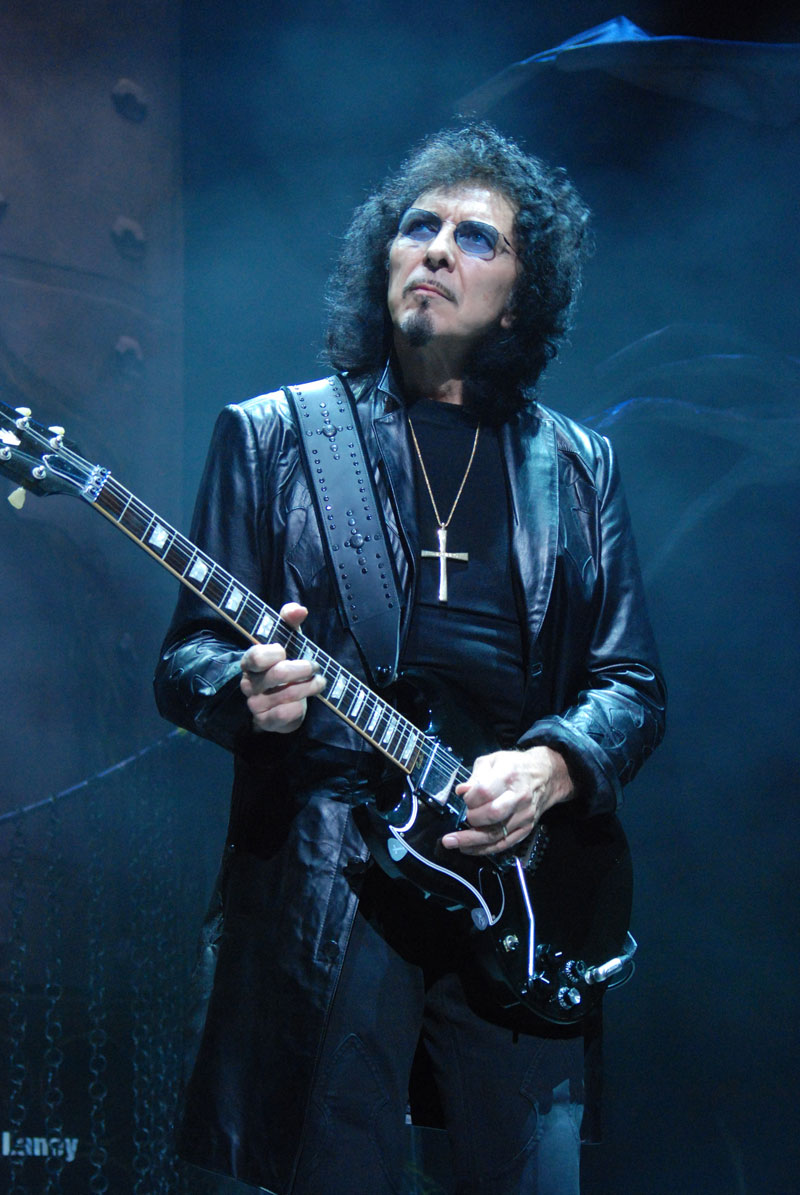
Tony Iommi, born February 19, 1948, in Birmingham, England, is widely regarded as the father of heavy metal guitar. Growing up in the Midlands, he absorbed blues and R&B and began playing guitar as a teenager. Early influences included blues giants such as B.B. King and Howlin' Wolf, which shaped his melodic instincts even as he pursued heavier textures. In the mid-1960s he played with local acts before joining Geezer Butler and Bill Ward; together with singer Ozzy Osbourne they formed Earth in 1968, a group that would soon become Black Sabbath. Iommi’s career nearly ended after a 1965 accident damaged the tips of two fretting fingers, but he adapted with prosthetic fingertips and unusually heavy gauge strings, helping forge one of the most distinctive heavy riffs in rock. That resilience and a willingness to push guitar into new sonic territory would define his path. Black Sabbath’s debut album Black Sabbath (1970) and the follow-up Paranoid (1970) introduced a new sonic paradigm built on ominous riffs and relentless power chords. Over the next few years Master of Reality (1971) and Vol. 4 (1972) solidified the band’s status as pioneers of heavy metal, with tracks like War Pigs and Iron Man becoming enduring anthems. The late 1970s and early 1980s were marked by lineup shifts, but Iommi steered the ship through collaboration with Ronnie James Dio in Heaven & Hell (band active 2006-2010), yielding the albums The Mob Rules (1981) and Dehumanizer (1992). He also joined Ian Gillan for Born Again (1983). The long-form Sabbath legacy culminated in the 2013 reunion album 13, which carried the band’s lineage into a new era. Iommi’s guitar voice is defined by heavy, down-tuned riffs and a blues-flavored sensibility that could swing from pounding menace to melodic hooks. His choice of detuned strings to deepen the guitar’s weight, combined with precise, economical phrasing and a penchant for triadic tension, created a blueprint for metal guitar that influenced generations. The signature tone is closely tied to his equipment: the Gibson SG through loud, saturated amps crafted a crushing but expressive core. His riffs—often built around simple, memorable motifs—helped redefine rock’s sonic language and gave metal its essential vocabulary. Beyond tone, his leadership and compositional approach kept Sabbath’s identity intact through changing lineups, while pushing the genre toward more ambitious arrangements and textures. Iommi’s influence on metal is inseparable from Sabbath’s example: bands and players across thrash, doom, and modern metal cite him as a primary model of heavy riffcraft and sonic ambition. He continued to perform with Sabbath on tours and contributed to solo and collaborative projects as part of the band’s enduring legacy; his 2000 solo album Iommi and the 2013 Sabbath reunion album 13 are reminders of his ongoing creative drive. Over decades, his example—courage in the face of injury, relentless pursuit of heavier sound, and a willingness to explore new collaborations—has left an enduring imprint on rock and metal’s form, technique, and cultural footprint.
Roles
Guitarist, Composer, Songwriter
Band History
Black Sabbath, Jethro Tull, Hale & Pace and the Stonkers, Heaven & Hell, Mythology, WhoCares, Velvett Fogg, Mark Knopfler’s Guitar Heroes
Signature Gear
Guitars: Gibson SG
Amps: Marshall Plexi
Bandmates & Collaborators
Brian May, David Gilmour, Bill Ward, Geezer Butler, Glenn Hughes, Vinny Appice, Ronnie James Dio, Roger Taylor