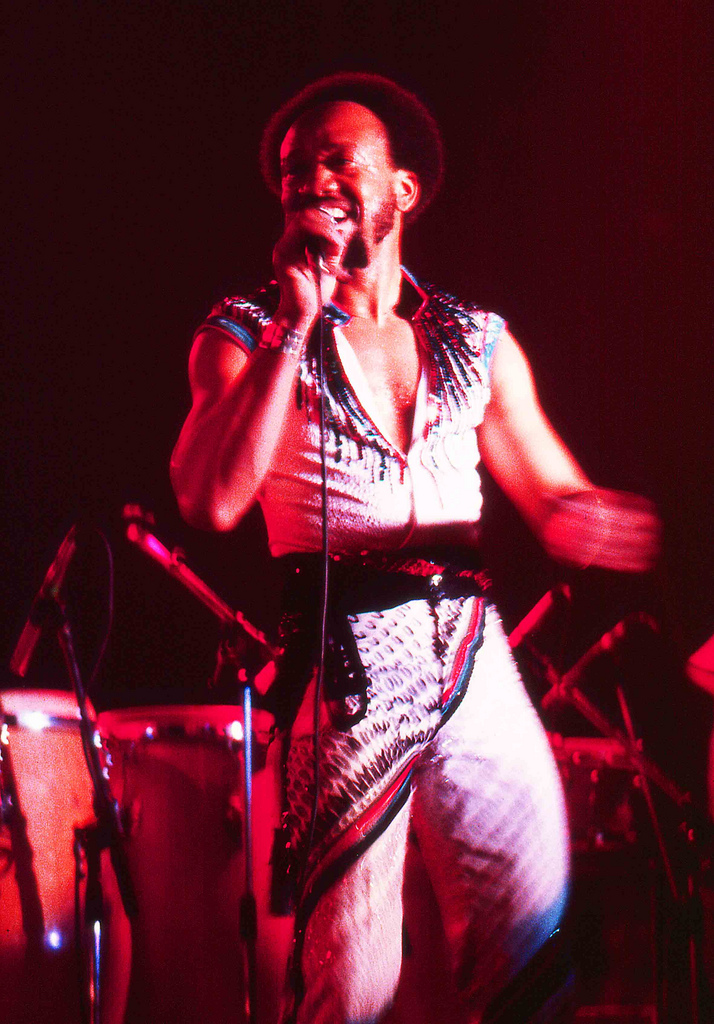
Biography
Maurice White was a pioneering American musician and the visionary founder of Earth, Wind & Fire, one of the most enduring forces in funk, soul, and R&B. A consummate drummer, vocalist, and bandleader, White began his career in the 1950s and 1960s as a versatile session player and organizer of tightly arranged ensembles. He cut his teeth in the Midwest's vibrant jazz and gospel scenes, backing a variety of artists and developing a palate for horn arrangements, melodic hooks, and rhythmic propulsion. As a teen and young adult he absorbed swing greats such as Count Basie and Duke Ellington, alongside gospel and early R&B; those threads would inform his signature approach to ensemble writing. In the late 1960s he relocated to Los Angeles, where he formed Earth, Wind & Fire with his brother Verdine White and a rotating cast of musicians to fuse jazz-like sophistication with funk's propulsion and pop's accessibility. Earth, Wind & Fire's ascent was anchored by White's leadership, charting a course that blended complex horn lines with gospel fervor and shimmering vocal harmonies. The group's eponymous 1971 debut introduced their core sound, but the breakthrough came with That's the Way of the World (1975) and the live album Gratitude (1975), which yielded enduring hits such as Shining Star and Sing a Song. Philip Bailey joined in the early 1970s, his soaring falsetto becoming a defining feature. Albums like All 'n All (1977) and I Am (1979) delivered radio staples such as Serpentine Fire, Fantasy, and September. The band's lavish live shows—piercing brass, choreographed vocals, and intricate percussion—became a template for arena phenomena. White's leadership helped earn Earth, Wind & Fire induction into the Rock Hall of Fame in 2000 and multiple Grammy recognitions through the decade. Musically, White's signature was more than a tight groove; it was a philosophy of seamless cross-pollination. He built songs with jazz-informed horn charts, gospel call-and-response, and funk swing, creating a sound that could pivot from tender ballads to exuberant dance tracks in a heartbeat. The Kalimba, a small mbira-like instrument, became a sonic calling card for White's arrangements, adding a bright, percussive shimmer to numbers like Shining Star and That's the Way of the World. His drumming and percussion provided the backbone for countless arrangements, while his dual role as producer and bandleader kept the group creatively focused. The group's use of layered vocal harmonies, brass, and strings helped codify a signature that many later pop and R&B acts emulated. He also cultivated collaborations with artists like Philip Bailey as a long-term partner and contributed to the broader soundtrack culture of the era. Legacy and later status: Even after Maurice White's passing on February 4, 2016, Earth, Wind & Fire's influence endures. White's fusion of jazz, funk, gospel, and pop created a blueprint for multigenerational appeal and live spectacle that influenced artists across genres, including rock- and metal-adjacent acts that sample funk-fueled horn lines. The group continued to perform with new members while preserving the core arrangements that White built. His work left an enduring mark on the direction of R&B and popular music, proving that sophisticated musicianship could coexist with chart-topping accessibility. The legacy of Maurice White lives on in a catalog that remains vital to both classic soul fans and contemporary producers who mine the 1970s for its wit, swing, and melodic ingenuity, and in a generation of artists inspired by a music that refused to stay inside fences.
Roles
Drummer, Vocalist, Bandleader, Founder
Band History
Bandmates & Collaborators
Verdine White, Al McKay, Philip Bailey, Ralph Johnson, Larry Dunn, Sheldon Reynolds